See what’s behind the trends
Get the full Voice of the Consumer 2026 - Romania report with CEE and global comparisons.
Everyone cares about health
Consumers are thinking about health in a longer-term way. They want to feel better now and also prevent problems later. This changes their shopping behaviour.
The wellness consumer is the mainstream consumer now. Every visit is a wellness opportunity.
%
of consumers in Romania have health and wellness goals.
Top five current consumer health and wellness goals (ranked 1–3)
Despite these goals, 95% face barriers. Stress, time constraints, limited disposable income, and difficulty staying motivated top the list.
How health is being redefined

Consumers choose health benefits and functionality
Consumers are becoming more intentional about their wellness spending. They are directing their money towards solutions that deliver tangible health benefits.
This shift is reflected both in what people buy today (supplements, wellness services, specialty foods) and what they plan to buy tomorrow (more fresh food, vitamins, and supplements, less sugar, processed foods, and alcohol).
Wellness consumers are avoiding processed components, and the growing negative perception of ultra-processed foods will only strengthen this trend.
In the next year, Romanian consumers are expecting change in consumption:
Net increase
Net decrease
Affordable and easy wellness wins
Consumers want wellness to be affordable, convenient, and easy to understand and follow. The interest in health and wellness is high but purchasing decisions are still heavily shaped by budget constraints and the practical realities of busy lifestyles.
Value for money and cost are the strongest drivers of wellness-related purchases. Unlike CEE and global peers, Romanian consumers feel less confident about their finances (financial security declined from 29% to 26%) and they continue to prioritise careful spending and smart deals. This habit is deeply embedded in shopping behaviour.
Transparency and clear explanations of product or service features are nearly as important as price for Romanian consumers, who want to be sure they make they get the most benefits for their available budgets. Clients also look for convenience and personalised solutions that fit their individual needs.
Top five purchase drivers for health and wellness products and services in Romania
AI and wearables guide the modern health journey
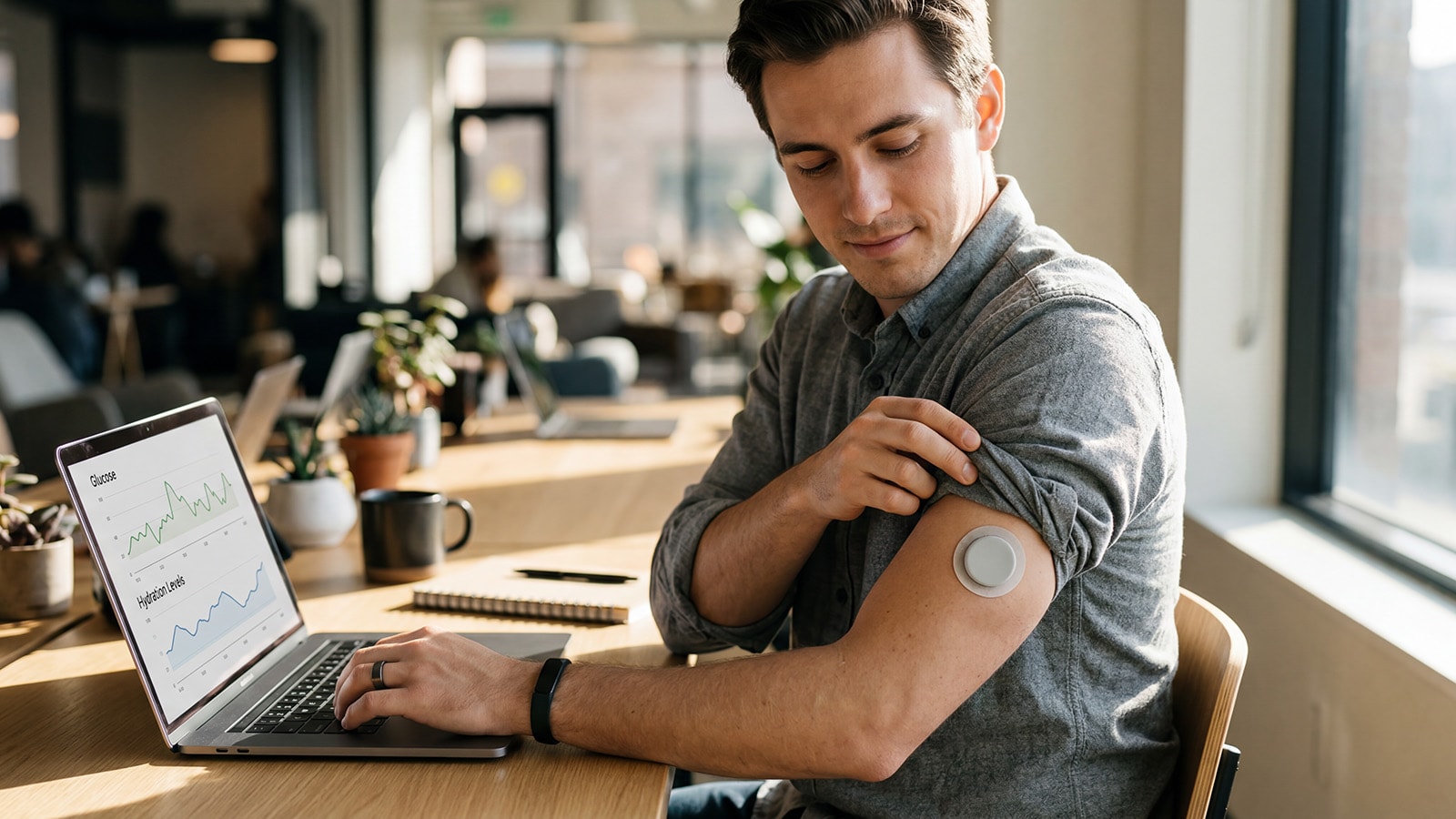
Wellbeing activities are becoming increasingly digital and self-directed. Before they speak to a doctor, many consumers rely on AI, wearables, and health apps to access insights and track sleep, exercise, nutrition, medication, and mental wellbeing.
%
of consumers in Romania use health apps or wearables for at least one health and wellness activity.
%
of consumers in Romania would pay more for wearables whose data is trusted by healthcare professionals.
Top five consumer uses of health apps and wearable devices (Net frequently: “Daily”, “A few times a week” combined)
Before
Wearables—simple trackers
Now
Wearables—proactive health-monitoring devices
AI is changing how consumers find and choose wellness solutions. It’s becoming an important resource early in the decision process, even if it’s not the final word. While only 17% of Romanian consumers cite AI as a top-five influence on their wellness decisions, 53% now turn to AI when they first have a health question.
Data sharing is a sensitive area. Pharmacies are the most trusted source for health data in Romania: 32% of consumers are willing to share medical records or biometric data collected via devices or ongoing monitoring with them.
Adding digital tools to trusted products and services can help close the trust gap, encourage greater engagement, and strengthen customer loyalty.
What this means for your business
Retail
Nutrition and supplements are often the entry point into wellness for Romanian consumers. When asked what they’d be interested in buying to support their health goals, Romanian consumers concentrate their interest on nutrition, supplements, and personal care (85%), 24 percentage points ahead of the next category (health insights and diagnostics).
Retailers can extend this advantage into other categories by bundling nutrition purchases with small, low-cost add-ons, such as a trial-size device, a diagnostic voucher, a sample kit.
Organising by goal rather than category reflects how consumers are already thinking. They’re looking for outcomes such as sleeping better, stress support, longevity, energy, and focus. This creates an opportunity to combine relevant products and easy guidance in one place rather than splitting them across separate aisles or departments. This can be done through dedicated zones in stores or online.
Simplicity and ease of trial matter for consumers. They consistently choose low-friction formats, such as drinks, supplements, or snacks, over solutions that require more time or commitment.
For needs such as stress management and sleep support, this points to accessible, curated bundles, like teas, calming drinks, supplements, aromatherapy that let people try something today, without committing to a full programme or clinical service.
Since cost and value are key considerations, rebuilding price ladders can be helpful. Smaller pack sizes and a tighter set of claims that are important to consumers (protein, fibre, no added sugar, natural ingredients) can make products more accessible.

Pharma
Medication, monitoring, education, ongoing care, and lifestyle support should be treated as one connected journey. This typically requires expanding beyond traditional commercial models, through partnerships with providers, pharmacies, diagnostics, and digital health players.
For example, GLP-1 users are showing measurable behaviour changes. They’re focusing more on nutrition labels, more exercise, higher wellness spend. At the same time, they’re spending less on dining out, personal style, and food overall. These are all signs of a journey that extends well beyond the prescription itself.
GLP-1 usage in Romania is still limited - 4% of the respondents are currently using one of these medications and 10% previously used it but stopped. Learn more about GLP-1 consumer trends in the US and the UK.
- Supplements are already a major area of interest for consumers in Romania. Three of the five most sought-after products and services are supplement-related:
- mood-supporting foods, drinks and supplements (22%)
- science-backed supplement packs for brain, metabolic and cognitive health (18%)
- nutrition or supplements for healthy skin, hair and nails (16%).
Sleep and energy supplements also score notably well, including sleep teas or calming drinks (23%) and herbal and melatonin-free options (16%), as Romanian consumers increasingly understand the importance of quality sleep for their health.
- 60% of Romanian consumers are interested in at least one diagnostics-related product or service. Top products/services are:
- Personalised nutrition plan based on biometrics and microbiome insights (19%)
- Personalised longevity programme using health data for guidance (14%)
- Personalised health profile from genetics, microbiome, biomarkers and other health data (13%)
- Hair-strengthening or hair-growth products informed by scalp diagnostics (10%)
- Home testing kit for biological age and key health markers (10%).
Consumers are curious about understanding and tracking their health. Trusted channels such as pharmacies have an opportunity to help consumers navigate the options and turn that interest into adoption.
Food and beverage
Food is one of the biggest wellness opportunities in CEE. The most popular product consumers are interested in is healthy meals, snacks and drinks that support longevity (36%).
Consumers expect to eat more fresh fruit and vegetables and take more vitamins or supplements over the next year, while cutting back on processed foods, high-sugar products and alcohol. This is a space for wellness-focused drinks that support relaxation, sleep, recovery, and mood.
For some consumers, these products may become an alternative to alcohol by offering benefits they are looking for, such as relaxation or overall well-being.
Consumers are looking for clear health benefits and simple explanations of how a product works. This creates an opportunity for brands to build products around ingredients associated with sleep, relaxation, focus, digestive health, and hydration.

Health decisions happen everywhere, all the time
What ties these trends together is a growing consumer desire for control. People are managing their wellbeing in ways that fit their goals, routines and budgets, making health a daily practice. That’s the shift businesses need to plan around. Health decisions increasingly happen outside traditional clinical settings and through everyday choices about nutrition, sleep, fitness, stress management and technology use. Organisations that support consumers early in that journey will be better placed to earn trust and remain relevant in the market.
Ready to explore the full findings?
Download the detailed Voice of the Consumer 2026 - Romania report with regional and global comparisons
Contact us